How Do Marketplace Commissions Work? 2026 Guide & Models

Commission marketplace module et fonctionnement

In the fast-paced world of e-commerce, multi-vendor marketplaces play a critical role in connecting buyers and sellers around the world. Whether B2B, B2C, C2C or C2B2C online marketplaces, commissions on sales are an important source of revenue. Each model has its own unique commission structure. This article will guide you through these different models, revealing the commission strategies of the market giants and offering practical advice for operators wishing to create their own commission structure.

Key points for commission understanding:

Why do marketplaces charge commissions?

First of all, while sales commission is one of the most common revenue models for multi-vendor marketplaces, it’s not the only one. There are other business models, such as subscription or listing fees. 

Basically, Sales commission means that the marketplace takes a percentage of each transaction that a seller makes on the platform. This percentage is also known as the take rate, for a strategic deep-dive on how to set yours, see our marketplace take rate guide.

Key factors to consider when calculating commissions.

Commissions are mainly calculated according to the type of products and competition in order to remain competitive and encourage sellers to continue using the platform. If the commission rate is too high, sellers may be tempted to go elsewhere.

Commissions are also set in relation to the margins earned on each type of product. A high-margin product can have a higher commission rate than a low-margin product, providing flexibility and helping sellers better absorb these costs.

Real examples of commissions charged by major players.

As an example, here are some of the commissions charged by the market leaders:

  • Amazon: Commissions vary by product category. For example, Amazon charges about 8% for electronic accessories, while it can be as high as 15% for beauty products.
  • eBay: On this C2C platform, commissions are generally around 10% for most categories, with variations depending on the value of the item sold.
  • Alibaba: This B2B platform combines subscription options with volume-based commissions, allowing great flexibility for large sellers.

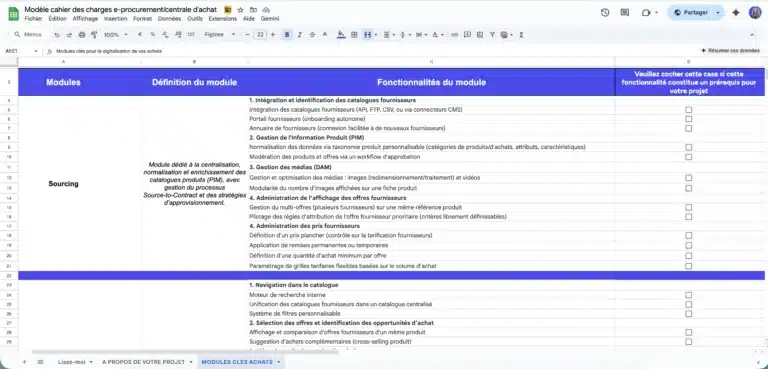
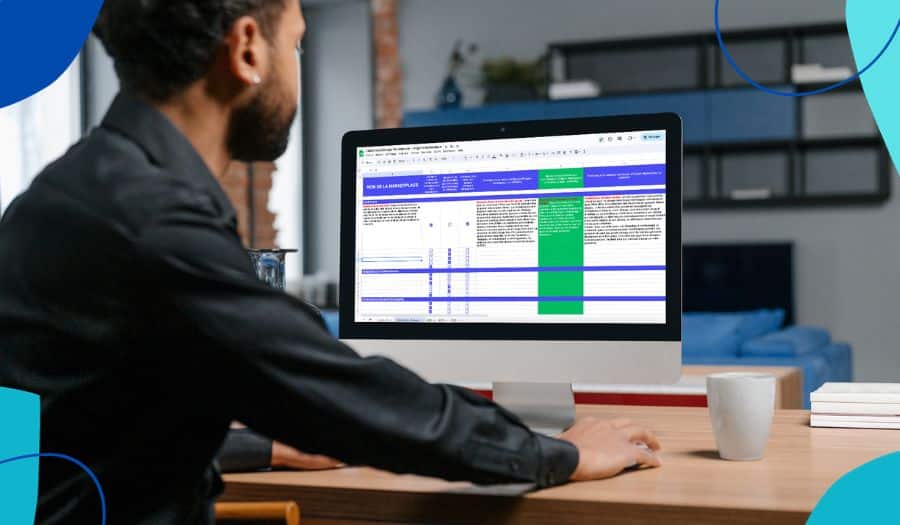
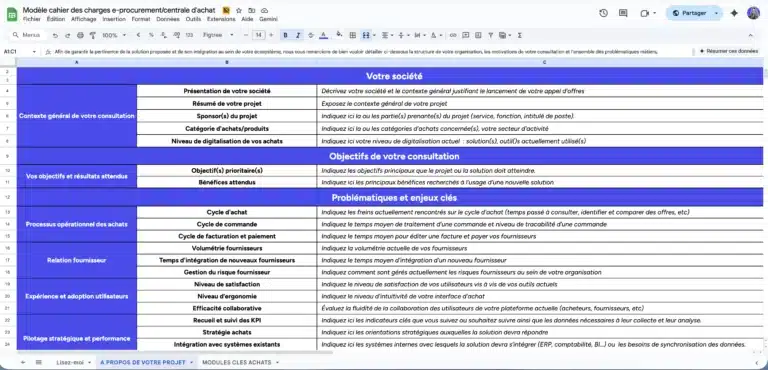
Ensure nothing is overlooked in your project specifications

A ready-to-use template to quickly frame your e-procurement or purchasing group project, compare market solutions, and secure your vendor consultation process.

Comprehensive model used in B2C, B2B or C2C projects and ready to adapt.

B2B e-procurement platforms and their commissions.

B2B procurement marketplaces are often defined by high-volume business-to-business transactions. Commission structures can vary widely. Alibaba, for example, uses a hybrid model that combines subscription fees with commissions based on sales volume. This flexible approach adapts to the specific needs of each seller, encouraging long-term relationships and greater loyalty.

B2C multi-vendor marketplaces and their commissions.

In the B2C industry, where companies sell directly to consumers, commission structures are generally simpler. Amazon, for example, charges a fixed commission that varies by product category. For fashion items, this commission can be as high as 15%, while it’s often lower for electronics. This simplicity makes the cost understandable to sellers and improves the user experience.

C2C platforms and how they get commissioned.

C2C platforms such as LeBonCoin and Vinted have changed the way individuals buy and sell second-hand products. These platforms often use a blended commission structure, combining fixed fees with a percentage of sales. This strategy keeps costs low for low-value transactions and encourages more activity on the platform. C2C platforms often charge a low commission to the seller and a higher commission to the buyer, often in the form of “buyer protection”. This encourages sellers to upload more products and reduces the frustration of paying commission on expensive items.

C2B2C multi-vendor marketplaces and their commission structure.

The C2B2C model combines aspects of the C2B and B2C markets. In this model, individuals can donate products to businesses that then resell them to other consumers. This model is particularly relevant in sectors such as high tech, with platforms such as Back Market dedicated to refurbished products, as well as the fashion industry and craft products. The commission structures in this model are diverse and can be customized to meet the unique needs of each online marketplace, offering great flexibility.

The impact of commissions on profitability.

You may be wondering how commissions affect the profitability of your multi-manufacturer marketplace. Well-calibrated commissions can not only maximize your revenue, but also improve seller and buyer satisfaction. A recent Forrester study found that marketplaces with flexible, well-designed commission structures saw a 20% increase in seller retention and a 15% increase in annual revenue.

Useful tips to optimize your commissions:

  1. Analyze your market: Study your competitors and understand your sellers’ expectations.
  2. Segment your products: Adapt commissions to margins and demand.
  3. Test and fine-tune: Don’t be afraid to experiment with different commission rates to find the optimal balance.
  4. Communicate clearly: Make sure your sellers understand the commission structure and how it benefits them.

Don’t be afraid to experiment and fine-tune your commission rates to find the right balance. A modern multi-vendor marketplace platform lets you configure different commission rules per category, seller tier, or promotional campaign, without involving your dev team.

Team tips 🎓

Maximize your success with a flexible commission structure! As a future marketplace operator, our best advice is to remain flexible and in tune with your sellers and your market.

Start with an in-depth analysis of your competitors’ commission models and your sellers’ expectations. Don’t be afraid to experiment and fine-tune your commission rates to find the right balance. A commission that’s too high can discourage sellers, while a well-managed commission structure can boost your growth. Segment your products and adjust rates according to margins and specific demand. A personalized approach can make all the difference. Clearly communicate the benefits of your commission structure and be transparent about how it works. Remember, flexibility is your best asset when it comes to maximizing revenue and retaining your sellers. Adopt an adaptable strategy and you’ll be on your way to success.

Frequently Asked Questions

How do marketplace commissions work?

A marketplace commission is a percentage of each transaction that the marketplace retains as revenue. Sellers agree to pay this fee in exchange for access to the platform’s audience, payment processing, trust infrastructure, and customer support. Commission rates typically range from 5% to 30% depending on the product category, seller margin structure, and the added value provided by the marketplace.

What is a typical marketplace commission rate?

Physical goods marketplaces typically charge between 5% and 20%. Service-based platforms are usually higher, between 10% and 30%. Luxury or niche marketplaces can exceed 25% due to the specialized services they provide. The right rate should cover your operational costs while remaining competitive with alternatives available to your sellers.

How is a marketplace commission calculated?

Commissions are primarily calculated as a percentage of the transaction value. They are set based on the type of products, the seller margins, and competitive dynamics. A high-margin product can support a higher commission rate, while low-margin products require lower rates to remain attractive for sellers.

What is a marketplace commission model?

A marketplace commission model is the framework used to determine how fees are charged. The most common model is sales commission (a percentage per transaction), but others include subscription fees, listing fees, and hybrid models combining several approaches.

Can marketplace commission rates vary by product category?

Yes, and this is one of the most effective ways to optimize your marketplace revenue. Categories with higher margins or stronger competition can support higher commission rates, while low-margin or highly competitive categories benefit from lower rates to remain attractive for sellers.

A quick conclusion on commissions?

Understanding commission structures in different types of multi-vendor marketplaces is essential for operators and sellers. By learning from the models used by industry leaders and adapting these strategies to your own online marketplace, you can optimize your commissions to maximize revenue, improve the user experience, and drive long-term growth and success. Wondering where to start? Implement a flexible, industry-specific strategy for success. To learn more, read “Building a multi-vendor marketplace in 8 Steps” and discover how you can turn your vision into a successful reality.

👋 Future online marketplace operator!​​

Talk to one of our experts for free.​

Discover how the Origami Marketplace API and partner network can transform your business, regardless of size, with its innovative solution based on the marketplace model.