HomeBlogB2B e-procurement platformB2C online marketplaceBest PracticeC2C platformsHow to Handle Disputes in Marketplaces: 2026 Operator Guide
How to Handle Disputes in Marketplaces: 2026 Operator Guide
Conflict is inevitable in any multi-vendor environment. Whether it is a late delivery, an item […]
How to Handle Disputes in Marketplaces: 2026 Operator Guide
- Arnaud
- 6 minutes to read
Conflict is inevitable in any multi-vendor environment. Whether it is a late delivery, an item that does not match its description, or a miscommunication between parties, disputes are the ultimate stress test for your platform.
For marketplace operators, poorly managed conflicts are more than just a customer service headache; they are a direct threat to your bottom line. Industry benchmarks suggest that marketplaces with no structured dispute process see seller churn rates up to 3× higher than those with clear, automated resolution workflows. Meanwhile, buyers who experience unresolved friction rarely return and they will tell others.
In an ecosystem built entirely on trust, a dispute is a critical moment of truth. How you step in and the systems you use to mediate, will dictate whether a user remains loyal or churns permanently.
This comprehensive guide explores why dispute resolution is essential, breaks down the most common conflicts, and provides five proven frameworks to protect your marketplace’s reputation. Whether you are building a marketplace from scratch or scaling an existing platform, getting dispute management right is non-negotiable.
1. Why dispute resolution is critical for marketplace success
A marketplace is a delicate balancing act. You do not own the inventory, but you own the customer experience. When things go wrong, the marketplace operator must act as the ultimate arbiter.
Impact on seller retention
Sellers are the lifeblood of your platform. If they feel unprotected against fraudulent buyers or face arbitrary refund decisions without a fair hearing, they will simply take their inventory to a competing platform. High seller churn directly impacts your Gross Merchandise Value (GMV) and catalogue depth. A transparent dispute process proves to vendors that you have their back and it directly protects your marketplace take rate, since fewer churned sellers means more stable commission revenue.
Impact on buyer trust and repeat purchase
Buyers choose marketplaces over direct independent websites because of the implied safety net. If a buyer receives a damaged product and the marketplace washes its hands of the issue, that buyer’s lifetime value drops to zero. Efficient resolution builds unparalleled trust, turning a negative experience into an opportunity for brand loyalty.
Legal exposure (PSD2, consumer rights)
Disputes are not just operational issues; they carry heavy compliance risks. Under regulations like PSD2 in Europe, or various local consumer protection laws, marketplaces hold fiduciary and legal responsibilities. Mishandling refunds, failing to mediate effectively, or experiencing high chargeback rates can lead to severe penalties from payment gateways or regulatory bodies. Understanding how disputes affect your marketplace commission structure is vital to maintaining healthy margins.
2. The 5 most common types of marketplace disputes
To build an effective resolution engine, you first need to categorize the conflicts occurring on your platform.
Product quality and condition mismatches
The classic “Item Not As Described” (INAD). The buyer expected a pristine, high-quality product, but received something that was damaged, the wrong colour, or lower quality than advertised. This is incredibly common in C2C and B2B marketplaces alike.
Delivery and shipping issues
“Where is my order?” Logistics are often out of the seller’s direct control once handed to a courier, but the buyer will blame the seller and the marketplace, if a package is lost, delayed, or marked as delivered when it wasn’t.
Refund and chargeback disputes
When a buyer bypasses your internal system and goes straight to their bank to reverse the charge, you face a chargeback. These are costly, heavily penalised by payment processors, and directly threaten your margins if you are forced to absorb the financial loss. A well-calibrated take rate strategy should account for a chargeback reserve to protect your cash flow.
Buyer-seller communication breakdowns
Often, disputes arise simply because the buyer and seller cannot communicate effectively. Whether it is due to language barriers, slow response times, or escalating tempers, a minor issue can quickly spiral into a formal complaint if not mediated promptly.
Fraud attempts and abuse
Unfortunately, bad actors exist on both sides. You will encounter “friendly fraud” (buyers falsely claiming they never received an item) and seller fraud (shipping empty boxes or counterfeit goods). A robust fraud detection engine, combined with clear policies, is your first line of defence.
Ensure nothing is overlooked in your project specifications
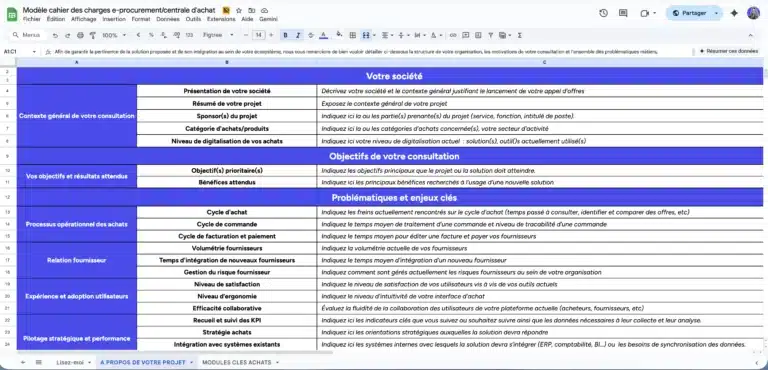
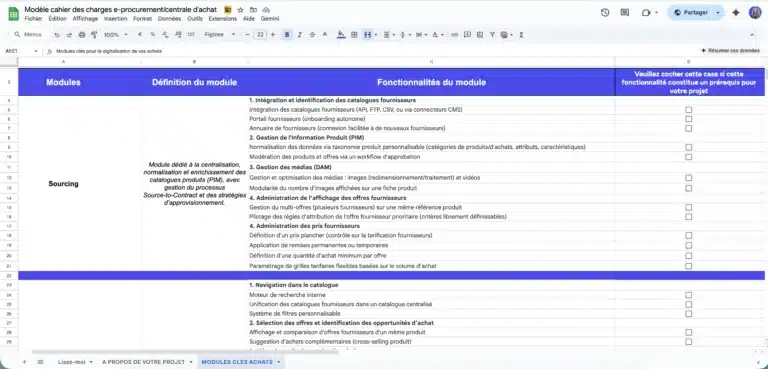
A ready-to-use template to quickly frame your e-procurement or purchasing group project, compare market solutions, and secure your vendor consultation process.
Comprehensive model used in B2C, B2B or C2C projects and ready to adapt.
3. 5 proven dispute resolution frameworks
You cannot review every transaction manually. Scaling a marketplace requires structured, predictable frameworks for handling conflict. A platform like Origami Marketplace lets you configure these frameworks with automated rules, customizable SLAs, and fund-freezing capabilities, without involving your dev team.
1. Tiered escalation model (automated → human → legal)
Do not involve your support team immediately. Build a tiered system:
- Level 1 (Automated): Buyer clicks “Report Issue.” The system automatically prompts the seller to respond within a specific timeframe, offering options like “Issue Refund” or “Send Replacement.”
- Level 2 (Human mediation): If unresolved after 48–72 hours, it escalates to your internal mediation team, who reviews evidence from both sides.
- Level 3 (Legal/Arbitration): For high-ticket B2B items or complex multi-party cases, external arbitration may be required.
2. Mediation-first approach
Position your platform as a facilitator, not a judge. Provide a secure, monitored internal messaging system where the buyer and seller are encouraged to reach a compromise (e.g., a partial refund). Only step in to make a final ruling if they reach a deadlock. This approach reduces operational cost and increases user satisfaction, as both parties feel heard.
3. The 72-hour rule
Time is the enemy of conflict resolution. Implement strict Service Level Agreements (SLAs). For example, if a buyer opens a dispute, the seller has 72 hours to respond. If they fail to do so, the system automatically rules in favour of the buyer. This keeps the queue moving and prevents buyer frustration from escalating into chargebacks.
4. Evidence-based arbitration
Remove emotion from the equation. Require standardized evidence for specific claims:
- If a buyer claims an item is damaged → they must upload photos within 48 hours.
- If a seller claims they shipped an item → they must provide a valid tracking number.
- If a buyer claims non-delivery → the tracking status is checked automatically.
Decisions are made on evidence, not on who submits the loudest complaint.
5. Community-driven resolution
For certain niche or highly engaged C2C communities, peer review can be a powerful tool. Allowing a tribunal of highly-rated, trusted users to vote on minor disputes can reduce operational overhead and build community trust. However, this model must be monitored closely and reserved for low-value, non-controversial cases.
4. Building your dispute resolution policy
Your dispute policy should not be an internal secret; it needs to be a public-facing document linked in your Terms and Conditions. A strong policy protects you legally and sets clear expectations for users.
It must clearly outline:
- Eligibility: What qualifies for a dispute (and what does not).
- Timelines: The exact deadlines (e.g., “Disputes must be opened within 14 days of delivery”).
- Evidence requirements: What each party must provide.
- Forced resolution rules: The scenarios in which the marketplace will issue a forced refund.
- Appeals process: How a user can escalate if they disagree with the ruling.
Want to launch faster? Don’t start from scratch. We’ve built a plug-and-play Dispute Resolution Policy Template designed for modern multi-vendor platforms. Talk to an expert and get yours →
5. The role of technology in dispute management
Managing disputes via spreadsheets and standard email inboxes is a recipe for disaster once you surpass a few hundred transactions a month. You need dedicated infrastructure.
A robust multi-vendor marketplace platform includes built-in dispute management modules. Technology allows you to:
- Freeze funds in escrow until the dispute is resolved, protecting both buyer and seller.
- Centralize all communication between the buyer, seller, and admin in one dashboard.
- Track dispute ratios per seller to identify and automatically suspend toxic vendors before they damage your reputation.
- Automate refund routing without manual accounting work.
- Generate compliance reports for PSD2, consumer protection, and payment gateway audits.
By leaning on technology, your team spends less time gathering basic information and more time making fair, strategic decisions.
Take control of your marketplace disputes
Every unresolved dispute is a lost seller, a lost buyer, or both. The frameworks in this guide give you the structure, but execution depends on the right technology and operational discipline.
At Origami Marketplace, our platform includes built-in dispute management with automated escalation, fund freezing, seller scoring, and centralized communication. Over 97 companies trust us to power their multi-vendor operations, from B2B procurement platforms to C2C resale marketplaces.
If you are building or scaling a marketplace and want to see how it works in practice:
Do you want to build an agile and future-proof platform?
Let’s discuss it. our expertise extends beyond the tool as we help you structure your project with the right methodology to guarantee its success.

Frequently Asked Questions
A marketplace dispute is a formal complaint opened by a buyer or seller when a transaction does not go as planned. This typically involves issues with product quality, non-delivery, or refund disagreements, requiring the platform operator to step in and mediate or enforce a resolution.
Liability depends on the platform’s policy and the nature of the dispute. If the seller is at fault (e.g., damaged goods), the seller typically absorbs the cost of the refund. If the dispute involves postal loss and the seller provided tracking, the marketplace or the courier’s insurance may cover it. In cases of unpreventable chargebacks, the marketplace often absorbs the fee to protect the seller.
A well-optimized marketplace should aim to resolve disputes within 3 to 7 business days. This is usually achieved by enforcing strict response deadlines (e.g., 48 to 72 hours) for both buyers and sellers to provide evidence before an admin makes a final ruling.
Yes. If a buyer fails to provide sufficient evidence, opens a dispute outside the allowed timeframe (e.g., 60 days after purchase), or is found to be abusing the system (friendly fraud), the marketplace operator has the right to refuse the refund and close the dispute in favour of the seller.