HomeBlogB2B e-procurement platformBusiness modelHow to Build a B2B Marketplace from Scratch: 2026 Guide

How to Build a B2B Marketplace from Scratch: 2026 Guide

How to Build a B2B Marketplace from Scratch: 2026 Guide

How to build B2B marketplace from Scratch.

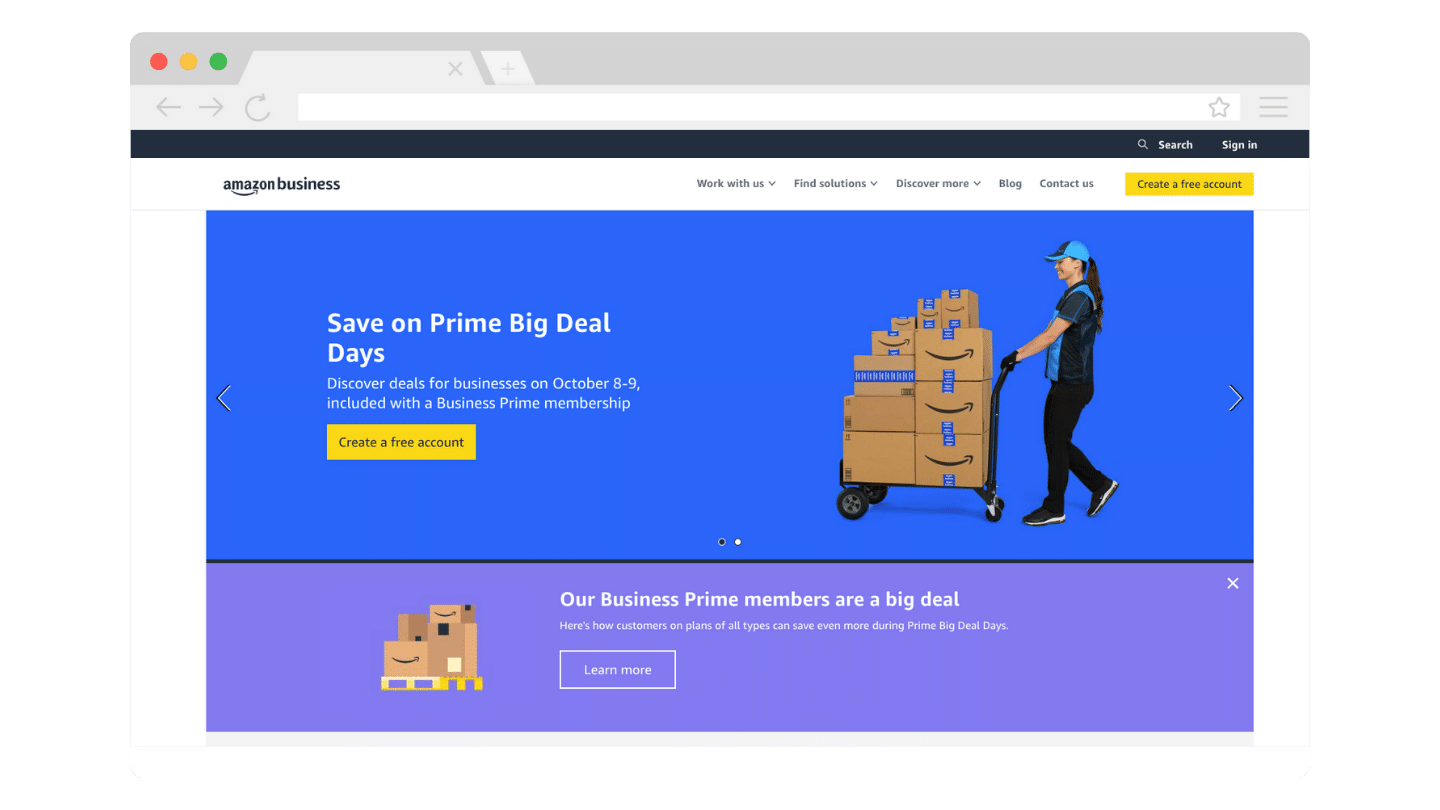
B2B marketplaces let businesses buy and sell from each other on a shared platform, instead of through one-to-one sales relationships. They handle more complex transactions than typical B2C platforms, things like bulk orders, negotiated pricing, and recurring contracts, and they’re still expanding in 2026: in May, Amazon Business (the B2B arm of Amazon) added same-day fresh grocery delivery for business customers and launched a dedicated B2B supply chain service (Digital Commerce 360, May 2026, Digital Commerce 360, May 2026), a sign that even the largest player in the category is still investing heavily in it.

This guide walks through the model, the main types of B2B marketplaces, the features and payment infrastructure you’ll need, and the steps to get one built and launched.

Table of contents

1. Understanding the B2B marketplace model

A B2B marketplace is a digital platform where businesses buy and sell products or services with each other.

Unlike B2C platforms, B2B marketplaces typically need to support bulk orders, negotiated pricing, purchase approval workflows, and long-term contracts rather than single, instant checkouts.

Manufacturing, wholesale distribution, logistics, and professional services are the industries that use this model most, and a platform serving them well needs to handle contract management and price negotiation as first-class features, not afterthoughts.
B2B MARKETPLACE - B2B E-COMMERCE SOLUTION

2. Types of B2B marketplaces

When build a B2B marketplace, it’s important to understand the different types to decide the best structure for your platform:

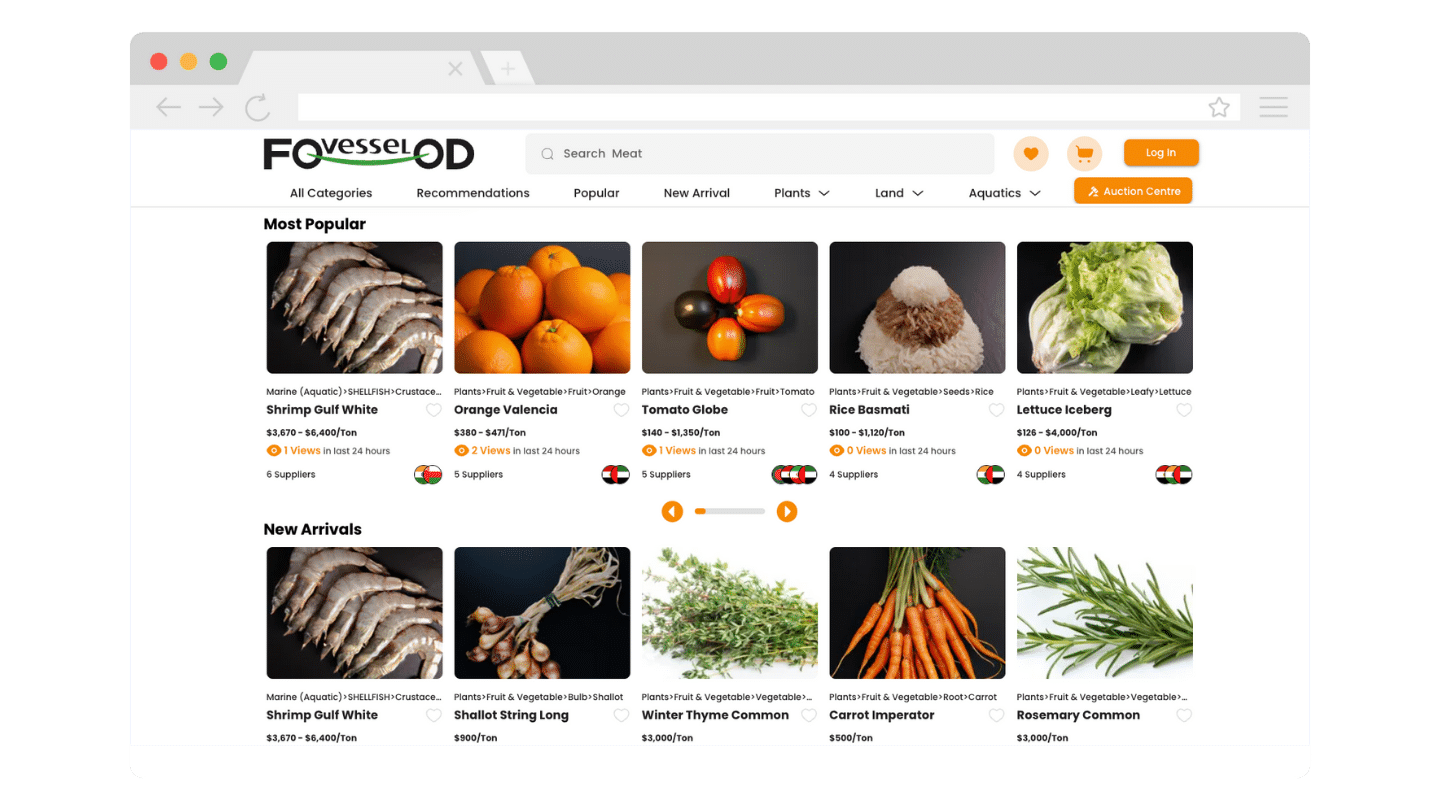
  • Vertical marketplaces focus on a single industry or niche. Foodvessel, a wholesale food marketplace connecting global suppliers with buyers in the UAE, is a real example: it lists meat, grains, seafood, and other food categories specifically for that trade (foodvessel.com). Focusing on one vertical like this lets a platform build features (in this case, likely cold-chain logistics or import documentation) that a generalist marketplace wouldn’t bother with.
  • Horizontal marketplaces cover many industries at once. Alibaba.com is the best-known example, connecting businesses across countless product categories for bulk and wholesale trade.
  • Product-based marketplaces specialize in physical goods and are built around bulk ordering, inventory visibility, and logistics support. Amazon Business is the clearest example here, and it continues to expand: as noted above, it added same-day fresh grocery delivery and its own B2B supply chain service in May 2026.
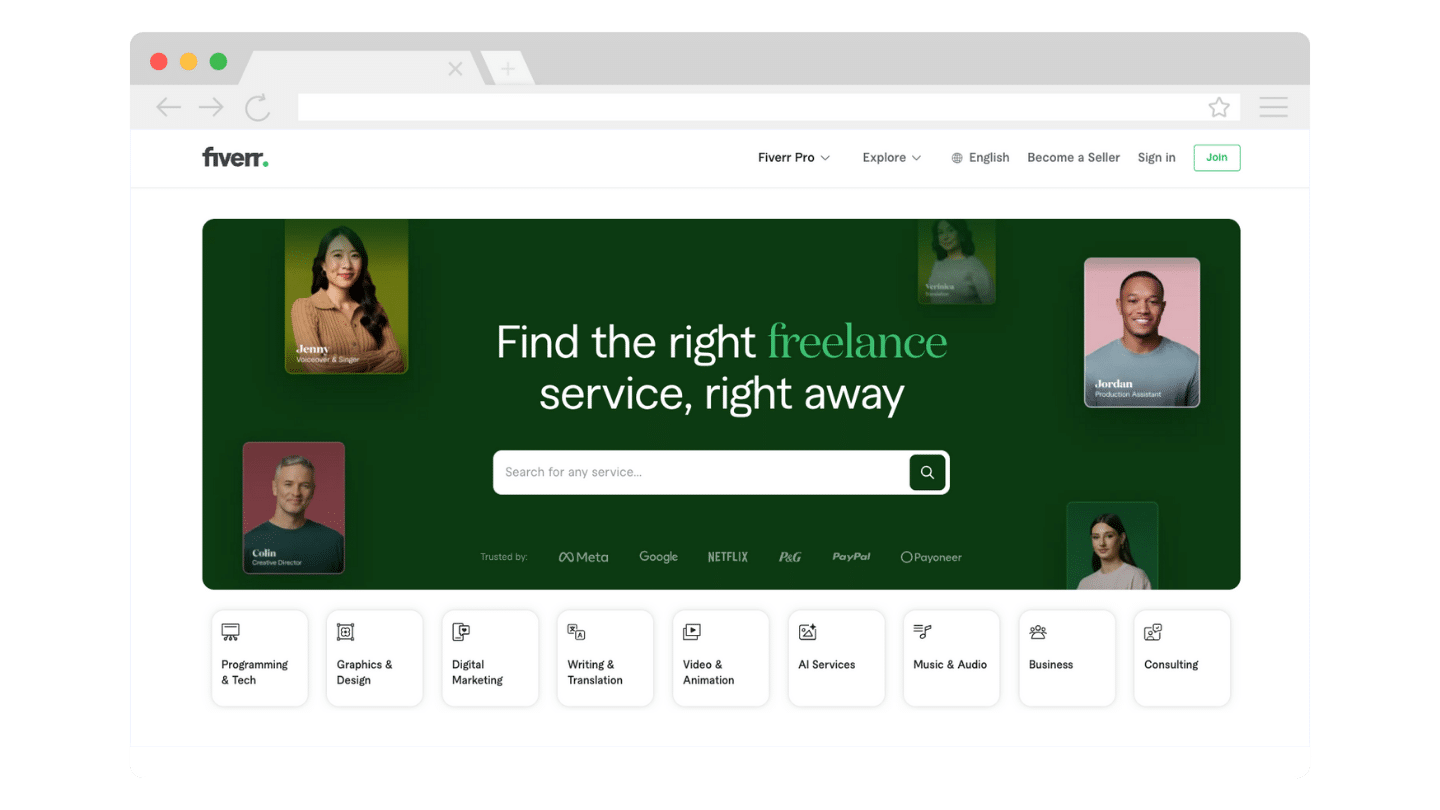
  • Service-based marketplaces connect businesses with service providers rather than physical goods. Fiverr’s business-focused offering is a well-known example, letting companies find freelancers or agencies for consulting, marketing, IT work, and similar tasks, with reviews and project management built in.

3. Key features to build

A working B2B marketplace needs, at minimum:

  • Analytics dashboards showing sales, order volumes, and revenue trends, so both you and your sellers can see what’s working.
  • Integrations with the tools businesses already run on: inventory management, CRM, and accounting software.
  • A messaging system so buyers and sellers can negotiate and clarify order details without leaving the platform.
  • Advanced search and filtering, by price, location, product type, or supplier rating, since B2B catalogs are often large and specific.
  • Inventory and order management built for bulk transactions and real-time stock tracking, not just single-item carts.

See our full B2B marketplace feature list if you want the complete breakdown, or download our marketplace specifications template to scope your own build.

Ready to build your B2B marketplace?

Partner with our team of experts to build a B2B platform that drives success and solves your biggest challenges, featuring professional-grade solutions tailored for industry leaders.
Iso B2B marketplace icon

4. Payments: the part most first-time builders underestimate

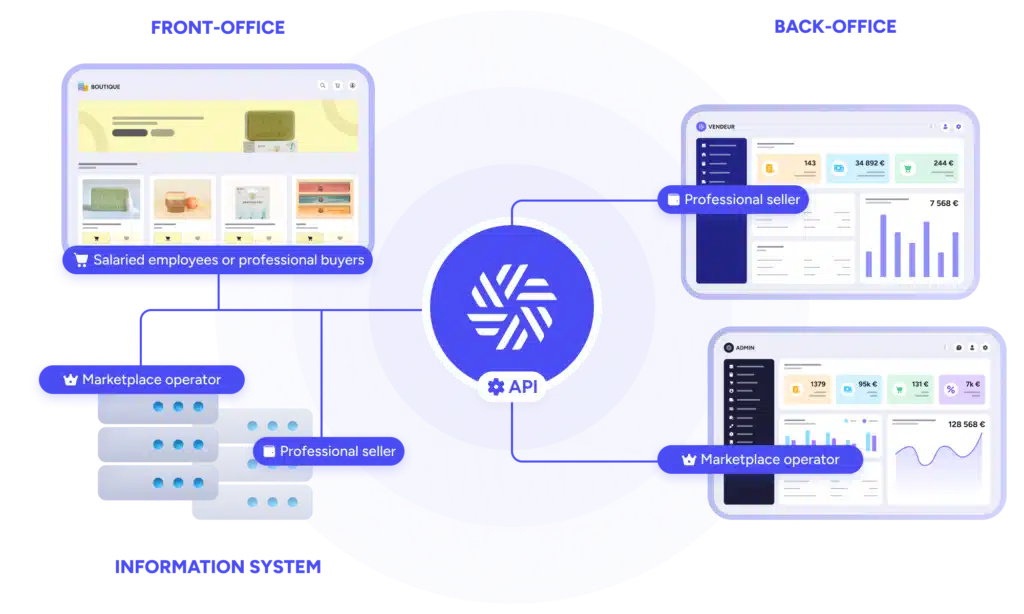
Every B2B marketplace transaction involves three parties: the buyer, the seller, and you as the platform operator. That’s different from a normal e-commerce checkout, and it means a generic payment processor usually isn’t enough on its own. 

What you actually need is a payment setup that can split funds automatically between you and each seller, handle KYC (know-your-customer) checks on sellers, and support the higher transaction values typical of B2B orders. 

Stripe Connect and Adyen for Platforms are two providers built specifically for this kind of marketplace payment split, as opposed to a standard merchant account. If you’re operating in the EU or UK, factor in PSD2 compliance from the start. Retrofitting proper payment splitting after launch is far more disruptive than planning for it up front.

5. Business models and monetization

Most B2B marketplaces combine more than one of these:

  • Freemium, with free basic access and paid upgrades for advanced analytics, visibility, or marketing tools.
  • Listing fees, charged to sellers for posting products or services, common in niche markets where visibility carries real value.
  • Transaction fees, a percentage taken from each sale, which naturally scales revenue with platform usage.
  • Advertising, letting sellers pay for better placement or sponsored listings.
  • Partnerships with complementary providers like payment gateways or logistics companies, generating referral or commission revenue.

There’s no single right combination. It depends on your category’s margins, order frequency, and what buyers and sellers in your specific market are already used to paying.

Download our free B2B marketplace specifications template.

Here you will find all the essential features to succeed in your B2B multi-vendor marketplace. This model provides a simple backlog to guide you through each step of your project.

6. Common challenges and how to handle them

  • Acquiring buyers and sellers. A marketplace only works once both sides show up. Launching with exclusive deals or early-adopter incentives can help create the initial activity that drives organic growth afterward.
  • Building trust. B2B transactions often involve large sums, so escrow-style payment protection and a clear dispute resolution process matter more here than in consumer marketplaces.
  • Managing logistics. Partnering with third-party logistics providers lets you offer reliable shipping and warehousing without building that capability in-house from day one.
  • Regulatory compliance. Data privacy rules, trade restrictions, and industry-specific regulations vary by market. This is especially relevant if you’re operating across borders, where the compliance bar is naturally higher.

7. Security and data protection

Given the volume and sensitivity of B2B transactions, a few practices are close to non-negotiable:

  • Encryption in transit (TLS/SSL) for every transaction, so financial and contract details stay protected between buyers, sellers, and the platform.
  • Compliance with data privacy law relevant to your markets, such as GDPR in Europe or the CCPA in California, both to protect users and to avoid legal exposure.
  • Fraud detection on payments and listings, ideally automated rather than manual, given the transaction volumes a growing marketplace will see.
  • Regular security audits and penetration testing, so vulnerabilities get caught before they’re exploited rather than after.

8. Marketing and growth

  • SEO, built around the terms your buyers and sellers actually search for, with well-organized, specific product and category pages rather than generic descriptions.
  • Content marketing, case studies, guides, and comparisons that establish credibility with the professional buyers who make purchasing decisions.
  • Paid acquisition, on channels like LinkedIn Ads or industry-specific sites where B2B decision-makers actually spend time, rather than broad consumer ad platforms.
  • Referral programs, since B2B buyers often trust a peer’s recommendation more than an ad.

9. Scaling for the long term

Once a marketplace has traction, three things matter most: expanding into new markets with proper multi-language and multi-currency support rather than a bolted-on translation; automating processes like invoicing, seller onboarding, and dispute handling so growth doesn’t scale headcount 1-to-1; and building a regular feedback loop with buyers and sellers so the platform keeps evolving with what they actually need, not what seemed right at launch.

10. Choosing the right technology partner

Every B2B marketplace has different requirements depending on its industry, its buyers, and its regulatory environment, so there’s no single agency or platform that’s automatically the right fit. What matters is finding a partner who understands your specific niche well enough to adapt the platform to it, rather than applying a one-size-fits-all template. Our team can talk through your specific use case, no obligation.

👋 Future online marketplace operator!​

Talk to one of our experts for free.

Discover how the Origami Marketplace API and partner network can transform your business, regardless of size, with its innovative solution based on the marketplace model.