HomeBlogNon classéMirakl Alternatives for B2C Marketplaces: top competitors in 2026
Mirakl Alternatives for B2C Marketplaces: top competitors in 2026
Retail marketplaces have become a core growth lever for brands, retailers, and distributors looking to […]
Mirakl Alternatives for B2C Marketplaces: top competitors in 2026
- Arnaud
- 6 minutes to read
Retail marketplaces have become a core growth lever for brands, retailers, and distributors looking to expand assortment, increase GMV, and monetize traffic through third party sellers. For many organizations, Mirakl is the first platform that comes to mind when planning a B2C marketplace launch.
Yet the landscape has shifted. More retailers now operate differentiated marketplace strategies, such as curated platforms, vertical market plays, circular economy models, or brand controlled ecosystems, that do not always align with Mirakl’s enterprise first approach. As a result, a growing number of teams are actively comparing Mirakl alternatives to find platforms better suited to their growth model, time to market expectations, and budget.
This article focuses specifically on B2C and retail marketplaces by reviewing top competitors from a practical perspective, covering seller management, catalog flexibility, user experience customization, and total cost of ownership.
1. What makes Mirakl a strong B2C platform?
Mirakl has earned its position as a market reference for large-scale retail marketplaces. The platform excels at managing high volumes of third-party sellers, standardized product catalogues, commission models, and retail media monetization.
Its Mirakl Connect seller network, which includes over 80,000 pre-integrated sellers significantly accelerates assortment expansion for retailers who want to move fast. For large retailers with existing ecommerce infrastructure and strong traffic, Mirakl provides a structured path to adding marketplace capabilities without rebuilding the entire stack. Prominent B2C clients include Carrefour, Best Buy Canada, Leroy Merlin, Maisons du Monde, and Decathlon. These deployments validate Mirakl‘s ability to handle enterprise-scale marketplace operations.
2. Mirakl's limitations for retail marketplaces
Despite its strengths, Mirakl presents real constraints for certain retail marketplace profiles. Implementation projects are typically long, often 6 to 12 months, and require significant internal resources and system integration work. Entry costs frequently exceed $250,000 in the first year.
Flexibility around buyer experience and UX customization is also often cited as a challenge. Retailers seeking differentiated marketplace experiences, whether through curated aesthetics, unique seller-buyer interaction models, or experimental formats, may find Mirakl‘s structured architecture limiting. For retailers exploring marketplace models for the first time, or those operating in niche verticals with lower transaction volumes but distinct positioning needs, these trade-offs frequently justify evaluating Mirakl competitors.
Ensure nothing is overlooked in your project specifications
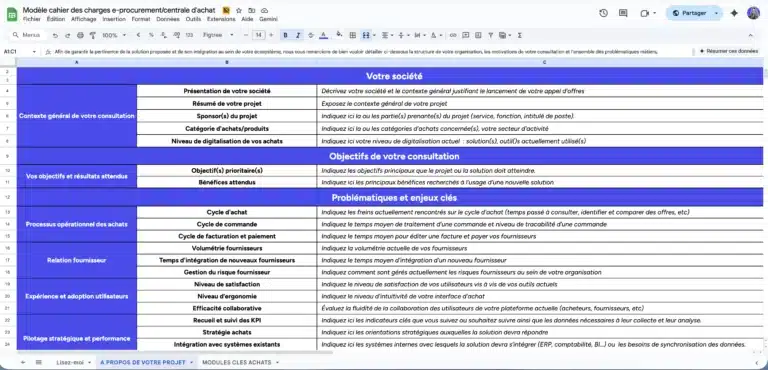
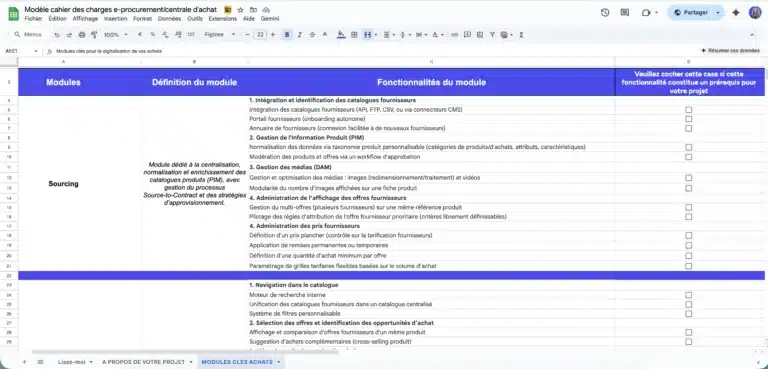
A ready-to-use template to quickly frame your e-procurement or purchasing group project, compare market solutions, and secure your vendor consultation process.
Comprehensive model used in B2C projects and ready to adapt.
3. Top Mirakl alternatives for B2C retail marketplaces in 2026
| Platform | Core Focus | Time-to-Market | Custom UX | Retail Media | Seller Ecosystem | Entry Cost |
|---|---|---|---|---|---|---|
| Mirakl | Enterprise retail | Long (6–12 mo) | Moderate | Advanced | 80K+ sellers | ~$250K+/yr |
| Origami Marketplace | Hybrid & retail | Faster (3–6 mo) | High | Available | Flexible | ~$36K+/yr |
| VTEX | Unified commerce | Moderate | Moderate | Limited | Strong | Subscription |
| Marketplacer | Retail & niche | Fast | Moderate | Not native | Moderate | Subscription |
| Sharetribe | Niche & peer-to-peer | Very fast | Limited | Not native | Small-scale | Low monthly |
| Adobe Commerce | Enterprise ecommerce | Long | Very high | Plugin-based | Via extensions | Project-based |
Origami Marketplace
Origami Marketplace offers retailers a flexible alternative to Mirakl, particularly when differentiation, customization speed, and cost predictability are strategic priorities. The platform supports classic B2C marketplace models as well as hybrid retail formats, including curated brand marketplaces, circular or recommerce models, and vertical platforms.
Unlike Mirakl’s more standardized architecture, Origami allows retailers to configure catalog presentation, seller onboarding flows, commission structures, and buyer facing user experience with a higher degree of flexibility. This makes it particularly relevant for brands and distributors building curated or niche marketplaces rather than mass market platforms.
Deployment timelines are typically faster than Mirakl enterprise implementations. The pricing structure, starting around $36,000 per year, makes it accessible to mid sized retailers and vertical specialists. Origami is a structured customization platform and not a no code tool, so project success depends on proper scoping and stakeholder alignment upfront.
VTEX
VTEX is an all in one commerce platform with native marketplace capabilities. It is well suited for retailers seeking unified commerce, connecting physical retail, direct ecommerce, and marketplace operations within a single platform. VTEX has strong traction in Latin America and growing adoption in Europe and North America.
Its marketplace module works well for standard retail models. However, more complex seller governance or highly differentiated user experience may require additional development.
Marketplacer
Marketplacer is a SaaS marketplace platform designed for retailers and brands looking to launch third party seller programs. It integrates with major ecommerce platforms including Shopify Plus, BigCommerce, and Adobe Commerce. Marketplacer’s strength lies in speed of deployment and ease of seller onboarding, making it a practical choice for retailers at earlier stages of marketplace maturity.
Its B2B capabilities and retail media features are less developed than Mirakl’s.
Sharetribe
Sharetribe is designed for fast and low friction marketplace launches. It is best suited for niche retail, peer to peer, rental, or service marketplaces rather than large scale transactional retail ecosystems. Its limited customization options and simpler seller management features make it inappropriate for enterprise retail, but it is an efficient starting point for lean marketplace experiments.
Adobe Commerce (Magento)
Adobe Commerce is a highly flexible enterprise ecommerce platform that can support marketplace functionality via extensions and custom development. It is a natural fit for retailers already invested in the Adobe ecosystem. However, marketplace features are not native and require significant development investment, making it a complex and costly choice compared to dedicated marketplace platforms.
4. How retailers should choose a Mirakl alternative
The right retail marketplace platform depends on where your organization sits in its marketplace journey and what you are trying to optimize for.
If your priority is speed of seller acquisition and assortment growth at scale, Mirakl’s Connect network and enterprise reliability are hard to match. But if your priorities are faster launch cycles, richer UX customization, better cost control, or differentiated positioning, alternatives like Origami Marketplace or VTEX deliver stronger results.
Key decision factors for retail marketplace selection include time to live and internal resource availability, seller acquisition strategy and onboarding automation needs, the level of buyer experience differentiation required, operational complexity and ongoing management overhead, and cost predictability relative to GMV and transaction volumes.
For retailers building vertical or curated marketplaces in fashion, home, beauty, sustainability, or specialty food, the ability to customize seller presentation, manage brand standards, and create a differentiated buyer experience matters far more than raw scale. In these scenarios, Origami Marketplace consistently outperforms Mirakl.
5. Frequently Asked Questions
For large retailers with significant traffic, an existing ecommerce stack, and the budget to absorb high implementation costs, Mirakl is a proven and scalable choice. For mid sized retailers, niche platforms, or teams prioritizing speed and customization, alternatives often deliver better return on investment.
Sharetribe is the most accessible entry point in terms of monthly cost, but it is limited to simple marketplace models. Origami Marketplace offers a more comprehensive feature set at a significantly lower price point than Mirakl, starting around $36,000 per year.
Absolutely. Multiple platforms support B2C retail marketplace models without the complexity or cost structure associated with Mirakl. The right choice depends on your scale, customization requirements, and operational model.
Mirakl is a dedicated marketplace platform, while VTEX is a unified commerce solution that includes marketplace capabilities. Mirakl offers more mature seller management and retail media features. VTEX is stronger for retailers who want to manage direct commerce and marketplace operations within a single platform.
For curated, brand controlled, or vertical retail marketplaces, Origami Marketplace offers the best balance of customization flexibility, deployment speed, and cost predictability. It enables retailers to build differentiated marketplace experiences rather than replicating a generic mass market model.
6. Disclaimer and recommendations
This comparison is based on third-party research, industry benchmarks, and market estimates. Features and pricing are provided for informational purposes only and do not constitute a formal offer or guarantee of performance.
In any case, when managing a project as critical as a marketplace launch, it is highly recommended to contact all the providers mentioned to foster healthy competition. While this process requires an investment of time, it is the only way to identify which partner is truly motivated to support your project over the long term and to avoid making a wrong choice for your business.
Conclusion
Mirakl remains the reference platform for large scale, standardized retail marketplaces. But it is no longer the only credible option, and for many retail marketplace projects, it may not be the best strategic fit.
Retailers prioritizing speed, user experience differentiation, cost control, or vertical positioning will find strong alternatives in platforms like Origami Marketplace, VTEX, and Marketplacer. The decision should be driven by alignment between platform capabilities and retail strategy, not by brand recognition alone.
If you are evaluating marketplace platforms for a retail or hybrid marketplace project, Origami Marketplace offers a free discovery session to assess strategic fit and outline a realistic deployment roadmap.
Do you want to build an agile and future-proof B2C platform?
Let’s discuss it. our expertise extends beyond the tool as we help you structure your project with the right methodology to guarantee its success.