Digitizing purchasing for a multi-location group: cart and invoicing per branch
Alexandre Duquenoy
Estimated reading time: 14 minutes
Short answer: you need a closed purchasing platform, open to every branch, with a multi-supplier catalog, a single cart and orders tied to the branch that buys. Origami Marketplace handles multiple legal entities, multiple locations, multiple tax rules and approval workflows, and the invoice can be issued in the name of each branch or centralized at headquarters. This is the model behind Orpi Market, the purchasing platform for the 1,350 branches of Orpi, France’s largest real estate network by number of branches, built with Origami Marketplace.
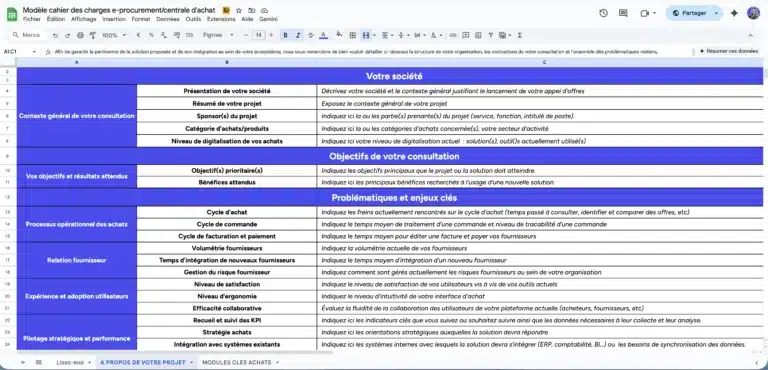
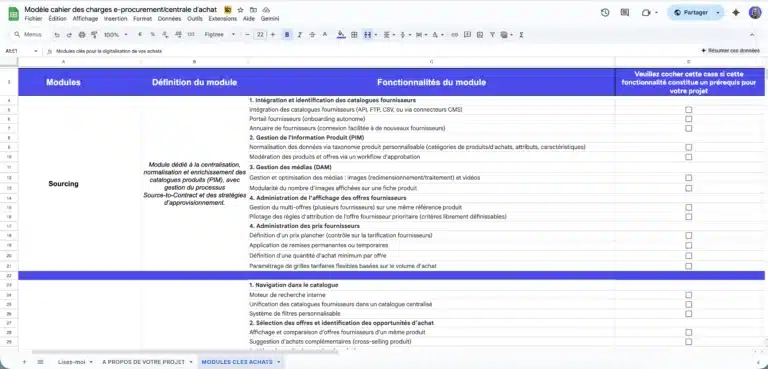
Ensure nothing is overlooked in your project specifications
A ready-to-use template to quickly frame your e-procurement or purchasing group project, compare market solutions, and secure your vendor consultation process.
Comprehensive model used in B2C, B2B or C2C projects and ready to adapt.
3. How do you control each branch's spending?
Origami Marketplace natively handles spending limits by buyer profile and multi-level approval: an order that exceeds the buyer’s limit goes to the right person for approval. Approval workflows are covered on our B2B purchasing platform page.
4. What about accounting?
The platform connects to the ERP through an API to sync orders, suppliers and invoices. With Sage, for example, it sends the order, the invoice and the approval to pay for each order. For a franchise network, see our franchise intranet guide; for a buying group, our member portal guide and our group purchasing platform.
5. Frequently asked questions
Can one buyer order for several branches?
Yes. At Orpi, one buyer manages several branches and switches from one to another, with a consolidated view per branch.
Is the invoice issued in the name of each branch?
It is your choice: with Origami Marketplace, the invoice can be issued in the name of each branch or centralized at headquarters.
How long does deployment take?
With Origami Marketplace, a marketplace is up and running in under 4 months.
How much does it cost?
The Origami Marketplace license starts at $24,000 per year. It is not capped and scales with sales volume. Setup is quoted separately and depends on the project.
Let's talk about your project.
Let’s discuss it. Our expertise extends beyond the tool as we help you structure your project with the right methodology to guarantee its success.