HomeBlogB2C online marketplaceBest PracticeBusiness modelMarketplace and Dropshipping: What’s the real difference?

Marketplace and Dropshipping: What’s the real difference?

Marketplace and Dropshipping: What’s the real difference?

Marketplace et dropshipping : différences, avantages, définitons

In e-commerce, two models stand out as strategic options: the marketplace and dropshipping. Marketplace vs. dropshipping comparisons come up constantly because both let you sell online without holding your own stock, but they rely on very different mechanics that directly affect who manages logistics, who owns the customer relationship, and how orders actually get processed.

A marketplace acts as a hub where independent sellers list their own products for a broad audience, without the platform itself handling their logistics. Dropshipping lets a single seller market products they don’t stock, relying on a supplier to handle fulfillment behind the scenes.

Choosing between them, or combining both, comes down to understanding who sets prices, who owns the customer relationship, and how orders are processed.

Table of contents

  1. Dropshipping: definition, how it works, and benefits
  2. Marketplace: definition, how it works, and benefits
  3. Marketplace vs. dropshipping: key differences
  4. Key players in each model
  5. Dropshipping or marketplace? Why not both?
  6. Frequently asked questions

1. Dropshipping: definition, how it works, and benefits

Dropshipping is an e-commerce model where the seller never physically handles the products they sell. When a customer orders, the seller purchases the product from a supplier (manufacturer or wholesaler), who prepares and ships it directly to the customer.

The seller stays the customer’s main point of contact and keeps full control over pricing, margins, promotions, and after-sales service, even though a third party is handling fulfillment in the background.

Benefits:

  • No inventory costs, since there’s nothing to store or manage.
  • Easy to expand the catalog without tying up working capital in stock.
  • Well suited to high-turnover or bulky items, and to products where supplier discounts support healthy margins.

How it works:

  1. The seller selects products from supplier partners and lists them in their own store.
  2. A customer places an order, which the seller forwards to the supplier.
  3. The supplier prepares and ships the product, usually branded under the seller’s name.
  4. The seller handles all customer communication, order tracking, and after-sales service.

Dropshipping offers flexibility and a low barrier to entry, but it depends on the seller managing the supplier relationship carefully: a supplier’s stock issues or shipping delays become the seller’s problem to explain to the customer.

2. Marketplace: definition, how it works, and benefits

A marketplace is an online platform connecting third-party sellers, individuals or businesses, with buyers. Multiple sellers list their products and reach a shared audience without each needing to build their own e-commerce site.

Unlike dropshipping, the marketplace itself doesn’t sell anything directly. It facilitates transactions between sellers and buyers: sellers stay responsible for their own listings, order management, and shipping, while the marketplace provides the platform and, typically, charges a commission on each sale.

Benefits:

  • For sellers: access to an existing audience without building and maintaining their own site.
  • For operators: a scalable revenue model based on commissions or subscriptions.
  • For buyers: a wide range of products from multiple sellers in one place.

How it works:

  1. Sellers create an account and list their products with descriptions, prices, and images.
  2. Buyers browse, compare offers, and place orders.
  3. Each seller handles preparing and shipping their own products.
  4. The marketplace typically manages payment collection and disburses funds to sellers after deducting its commission.
  5. Sellers handle customer service for their own products, though the marketplace may step in to mediate disputes.

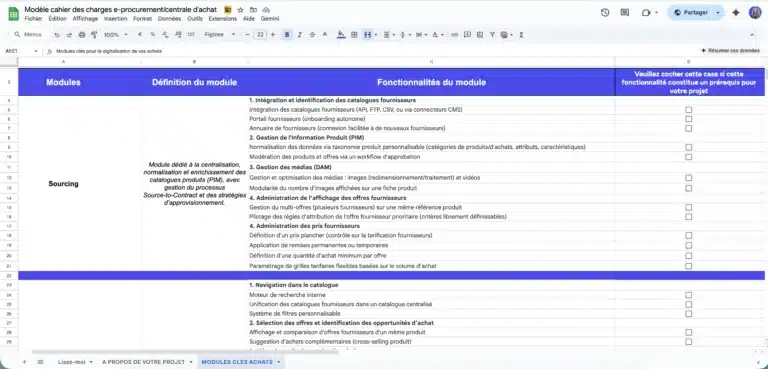
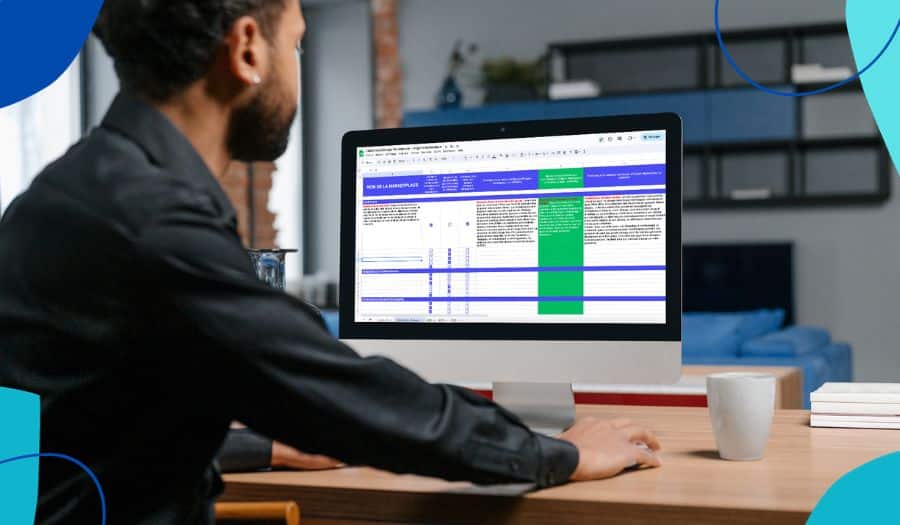
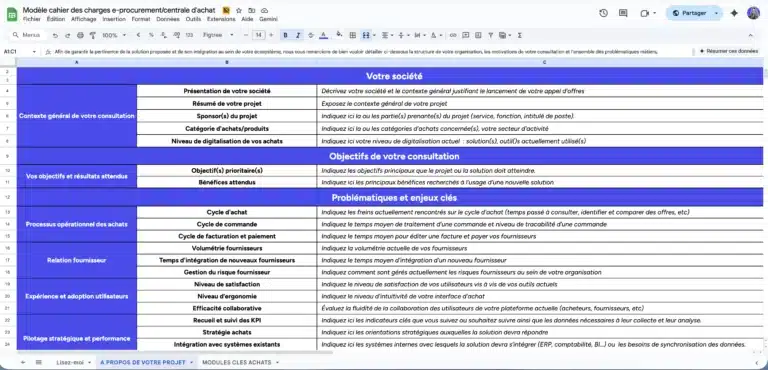
Download our free marketplace specifications template.

A ready-to-use template to quickly frame your e-procurement or purchasing group project, compare market solutions, and secure your vendor consultation process.

Comprehensive model used in B2C, B2B or C2C projects and ready to adapt.

3. Marketplace vs. dropshipping: key differences

Both models share one thing: neither requires the seller to hold inventory. Beyond that, they diverge sharply.

Criteria Marketplace Dropshipping
Business positioning Neutral intermediary; sellers manage their own products, prices, and orders Seller owns the entire customer experience and sets prices; supplier handles fulfillment in the background
Product diversity Wide variety across many sellers, which broadens reach but can create internal competition between listings A single seller's own catalog, which supports cohesive branding but limits range
Customer responsibility Sellers handle their own customer service; the marketplace may mediate disputes The seller owns all post-sale interactions end to end
Revenue model Commissions, listing fees, or seller subscriptions Margin between the supplier's price and the seller's retail price
Scalability Scales fast by adding sellers, but platform quality and internal competition get harder to manage Scales with strong supplier relationships and marketing, but each seller is still a single point of failure

Understanding these distinctions helps you pick the model that fits your resources and goals, and in some cases, as the Swyty example below shows, the two can be combined.

The main difference between dropshipping and operating a marketplace comes down to responsibility and financial management. In dropshipping, you're responsible for sales and returns, and you earn a margin on what you sell. You're also managing an invisible stock and taking on more administrative work, like purchasing goods. As a marketplace operator, you're not responsible for direct sales or returns, that's on the seller. Your income comes from commissions on what sells through the platform.

Alexandre Duquenoy

Alexandre Duquenoy

4. Key players in each model

To fully understand the mechanisms of marketplace and dropshipping, it’s crucial to identify the key players involved in these models. Although they share certain commonalities, their structures and responsibilities differ significantly.


Dropshipping:

Player Role Responsibilities
Seller Sells products they don't stock Runs the store, sets prices, manages customer relations
Supplier Produces, stores, and ships on the seller's behalf Production, storage, order preparation and shipping
Customer Places orders with the seller Orders through the seller's store, deals directly with the seller for returns

Marketplace:

Player Role Responsibilities
Operator Runs the platform Hosts listings, facilitates payments, promotes the platform
Third-party sellers Provide the products or services Set prices and descriptions, manage shipping, handle their own customer service
Buyers Place orders through the platform Order from sellers, leave reviews that shape seller reputation
Payment and technology providers Keep the platform running Payment processing, data security

5. Dropshipping or marketplace? Why not both?

Combining the two isn’t just theoretical. Swyty, a creator marketplace built on Origami Marketplace, runs on exactly this model: independent creators sell through turnkey stores on the platform, while print-on-demand production and fulfillment are handled behind the scenes, the same logistics logic as dropshipping, just built into a marketplace structure rather than run by a single seller. Swyty had already tried two custom development attempts before switching to this approach.

That kind of hybrid works because the two models solve different problems:

  • A marketplace brings in a wide catalog through multiple sellers and generates its own traffic through reputation and repeat visits.
  • Dropshipping-style fulfillment lets a platform or seller add products to a catalog without holding stock, leaning on suppliers for production and delivery.

Combined, this reduces stockout risk (a wider base of sellers and suppliers means fewer single points of failure), keeps upfront costs lower than a fully custom fulfillment operation, and lets an operator delegate returns and order handling to sellers while still controlling the overall customer experience.

Marketplaces already handle a substantial share of global e-commerce. The top 100 online marketplaces tracked worldwide generated $3.832 trillion in gross merchandise value in 2024, up from $2.670 trillion in 2020 (Digital Commerce 360, Global Online Marketplaces Database).

6. Frequently asked questions

What is the difference between marketplace and dropshipping?

A marketplace connects many independent sellers with buyers on one platform, and each seller manages their own products, pricing, and shipping. Dropshipping is a single seller’s fulfillment method: they sell products through their own store without holding stock, and a supplier ships orders on their behalf. The core difference is structural, one is a multi-seller platform, the other is a fulfillment method for a single seller.

Is Amazon a marketplace or dropshipping?

Amazon is a marketplace. Third-party sellers list and sell their own products on Amazon’s platform, and Amazon takes a commission, which is the marketplace model. Some individual sellers on Amazon happen to use dropshipping as their own fulfillment method behind the scenes, but that’s a choice made by the seller, not something Amazon itself does as a company.

Can you combine dropshipping and a marketplace?

Yes. Swyty, built on Origami Marketplace, is a real example: it operates as a marketplace for independent creators while using dropshipping-style print-on-demand fulfillment behind the scenes, so no one, including Swyty itself, needs to hold physical inventory.

Which is more profitable, dropshipping or a marketplace?

It depends on what you’re building. As a seller, dropshipping can offer better margins since there’s no commission to a third-party platform, but you’re taking on all the marketing and customer service work yourself. As an operator, a marketplace scales revenue by adding sellers rather than by increasing your own sales volume, which is a fundamentally different growth curve. Neither model is inherently more profitable; it depends on your role (seller vs. operator) and how well you execute it.

The right choice, marketplace, dropshipping, or a hybrid like Swyty’s, comes down to your goals and resources. Our team can talk through your specific use case, no obligation.

Do you want to build an agile and future-proof platform?

Let’s discuss it. our expertise extends beyond the tool as we help you structure your project with the right methodology to guarantee its success.