HomeBlogC2C platformsCircular economyHow to Build a C2C Marketplace from Scratch: 2026 Guide

How to Build a C2C Marketplace from Scratch: 2026 Guide

How to Build a C2C Marketplace from Scratch: 2026 Guide

How to build C2C marketplace from Scratch.

Consumer-to-consumer, or C2C, marketplaces let individuals buy and sell directly with each other rather than through a business. Vinted, Depop, Wallapop, and Shpock are the clearest examples, and they’ve reshaped how people buy and sell secondhand goods over the past decade.

If you’re building one, this guide covers the niche and audience decisions, the core features, monetization, logistics, and the operational side that will make or break it.

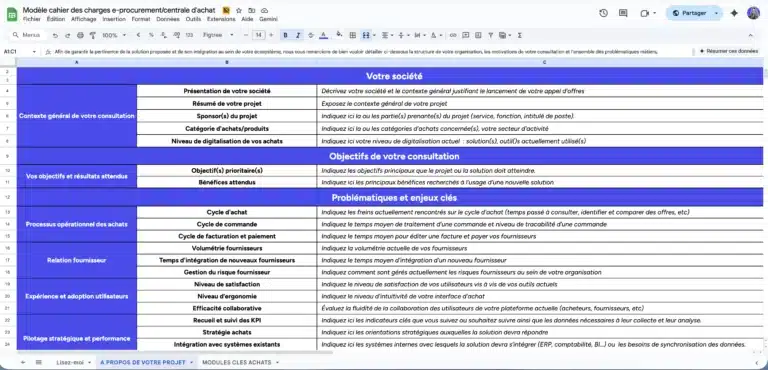
Table of contents

1. Defining your niche and audience

Rather than trying to cover every category, focus on a specific area, whether that’s vintage clothing, handmade goods, secondhand electronics, or something more specialized. Two of Origami’s own clients illustrate this well: Biked focused specifically on bicycles, and Green Musicians focused on musical instruments. Neither tried to be a general secondhand marketplace, and that focus is precisely what let them build features and a community suited to their category rather than competing head-on with generalist platforms.

Once you’ve picked a niche, build out buyer personas so the platform is designed around real user needs rather than assumptions.

2. Essential features

For buyers and sellers:

  • User profiles for both sides
  • Product listings with images and descriptions
  • Search and filtering
  • In-app messaging between buyers and sellers
  • Secure payment processing
  • Order tracking

For admins:

  • User management and moderation tools
  • Analytics on sales and platform activity
  • Automated commission tracking and fee collection

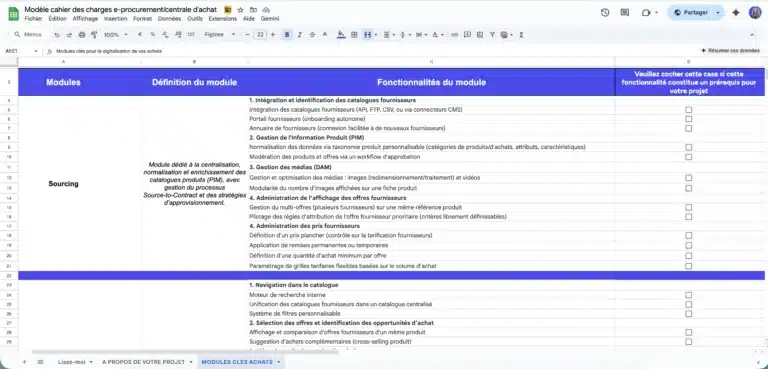
See our full feature checklist for the complete list, or download our marketplace specifications template to scope your own build.

Download our free marketplace specifications template.

A ready-to-use template to quickly frame your e-procurement or purchasing group project, compare market solutions, and secure your vendor consultation process.

Comprehensive model used in B2C, B2B or C2C projects and ready to adapt.

3. Case study: Vinted's focused approach

Vinted is a useful reference point for C2C specifically because its results are public and audited.

Co-founded in 2008 by Milda Mitkutė and Justas Janauskas in Vilnius after Mitkutė wanted an easy way to sell clothes she no longer needed, Vinted grew its GMV 47% year-over-year to €10.8 billion in 2025, generating €1.1 billion in revenue and €62 million in net profit. It now operates in more than 26 markets across Europe.

The lesson that carries over to any C2C marketplace: Vinted stayed narrowly focused on peer-to-peer secondhand fashion rather than expanding into every category early on, and that focus is a large part of why it could out-compete more generalist platforms in its specific niche.

4. Monetization models

Common approaches, often combined:

  • Commission on transactions. Many C2C platforms take a percentage from either the seller, the buyer, or both. The exact split and rate varies a lot by platform and category, so it’s worth benchmarking directly against comparable marketplaces in your niche rather than assuming a single “standard” rate.
  • Subscriptions. Tiered plans for sellers who want advanced tools or features.
  • Listing fees. Charging to post an item, which can also help filter out low-quality listings.
  • Advertising. Selling ad space or premium placement to relevant businesses.

There’s no one right model. It depends on transaction frequency, average order value, and what buyers and sellers in your specific category already expect to pay.

5. Logistics and shipping

Shipping is a major part of the user experience on a C2C platform, especially since individual sellers, not warehouses, are the ones packing and sending items.

  • Offer multiple shipping options, ideally integrated with carriers so labels and tracking are handled inside the platform rather than externally.
  • Set clear return policies. Trust between two individuals who’ve never met is fragile, and an unclear return process is one of the fastest ways to break it.
  • Consider third-party logistics (3PL) partners once volume grows, so fulfillment doesn’t become a bottleneck you have to manage in-house.

6. Fulfillment models

You can handle fulfillment in-house, which gives you more control over the experience but takes more resources, or partner with a 3PL, which lets you scale and offer wider shipping coverage without building that operation yourself. Most marketplaces start in-house and shift toward 3PL partnerships as order volume grows.

7. Choosing your technology stack

A SaaS platform is generally the more efficient starting point for a new C2C marketplace: it scales with demand without you needing to manage infrastructure, and an open API architecture makes it straightforward to connect payment providers, logistics partners, and marketing tools as you need them.

8. A note on payments specifically

As with any marketplace, a C2C platform involves three parties in each transaction: buyer, seller, and you as the operator. That means you’ll typically need a payment provider built for marketplace-style split payments (routing the seller’s share, retaining your fee, and handling KYC checks), rather than a standard merchant payment account. This is worth planning early, since retrofitting it after launch is disruptive.

9. Designing a user-friendly experience

  • Mobile-friendly by default. Most C2C browsing and selling happens on phones.
  • Clear navigation and search, including filters that match how people actually shop in your category.
  • Trust signals, such as reviews, ratings, and visibly secure payment options, matter more here than in a typical B2C store, since buyers and sellers are transacting directly with strangers.

« Start small with a well-defined niche. It's easier to understand what users actually need and refine the platform before expanding into new categories or markets. Keep listening to user feedback once you're live. It's the fastest way to catch what's not working before it becomes a bigger problem.»

Alexandre Duquenoy

Alexandre Duquenoy

9. Marketing and promotion

  • Social media, particularly Instagram and TikTok, where a lot of secondhand and resale culture already lives.
  • Content marketing, guides and tutorials that bring in organic traffic from people researching the category, not just the platform.
  • SEO, built around the terms your specific niche’s buyers and sellers search for.
  • Referral or loyalty programs to reward and retain your early, most active users, since a C2C marketplace lives or dies on repeat engagement from both sides.

10. Ongoing management and support

  • Multiple support channels (chat, email), since disputes between individual buyers and sellers need faster resolution than a typical customer service ticket.
  • Regular platform updates, both features and security patches.
  • Ongoing data analysis to catch friction points before they show up as churn.

Building a C2C marketplace takes real planning across niche selection, technology, and logistics, but the model itself is well proven, Vinted’s growth above is a live example, not a hypothetical one. If you’d like to talk through your specific use case, our team can walk through it with you, no obligation.

Do you want to build an agile and future-proof platform?

Let’s discuss it. our expertise extends beyond the tool as we help you structure your project with the right methodology to guarantee its success.