Djust alternatives for a B2B marketplace: 2026 comparison

Djust alternatives for a B2B marketplace: 2026 comparison

Djust is a French B2B commerce platform, founded in 2020. It often comes up when companies look for a way to sell online to their business customers or to launch a B2B marketplace. Depending on your project, other solutions may be a better fit.

This comparison relies only on the information published by the vendors on their own websites, consulted on 31 October 2026. As Origami Marketplace is one of the vendors compared, we give the source of each piece of information.

1. Djust at a glance

Djust presents itself as a B2B e-commerce platform for businesses: a headless platform connected to its customers’ information systems. The company was founded in 2020 by Arnaud Rihiant, co-founder of Mirakl, with Alexis Delplanque and Eric Gaudin.

Its offering is made of several modules: Sales (AI-assisted order entry and quotes), eCommerce (B2B portal), Pay (payment), OMS (order management), Réappro (replenishment), Marketplace (multi-vendor B2B marketplace) and Starter (fast launch of a B2B site).

Djust reports €1.5 billion of GMV in 2025 and cites Eiffage, Socoda, Jeff de Bruges and Franprix among its customers. For a new e-commerce project, Djust states a launch in 4 to 6 months on average; the Starter offer states 4 weeks.

Sources: djust.io, home, About and B2B Marketplace pages, consulted on 31/10/2026.

2. Why look for a Djust alternative?

Most Djust modules (Sales, OMS, Réappro) are about selling: order taking, processing and replenishment. They are designed for a company that sells its own catalogue to its business customers.

The project is different when the operator does not sell itself: a purchasing group, a franchise network or a federation that connects its members with approved suppliers. Djust’s B2B Marketplace page, consulted on 31/10/2026, does not mention these use cases.

The other reasons to compare are the usual ones: time to go live, need for specific business rules (approval workflows, conditions per member, commissions) and references in your sector.

3. Djust vs Origami Marketplace: the comparison

The table uses the public information of both vendors. It does not replace a demo on your own use case.

CriterionDjustOrigami Marketplace
PositioningHeadless B2B e-commerce platformSaaS platform for B2B marketplaces and group purchasing platforms
Founded20202018
OfferingSales, eCommerce, Pay, OMS, Réappro, Marketplace and Starter modulesB2B marketplace, group purchasing platform, procurement solution, B2C and services marketplace, distribution network, circular economy
Stated launch time4 to 6 months on average for a new e-commerce project; 4 weeks for the Starter offerMarketplace operational in less than 4 months
Customers citedEiffage, Socoda, Jeff de Bruges, Franprix…FFF, FFT, Orpi, CIC, SGS, Bouygues Construction…
Purchasing groups, networks, federationsNot mentioned on the B2B Marketplace pageFFF (12,000 clubs), FFT (over 7,000 clubs), Orpi (1,350 agencies)
Sources: Djust (djust.io) and Origami Marketplace websites, consulted on 31/10/2026.

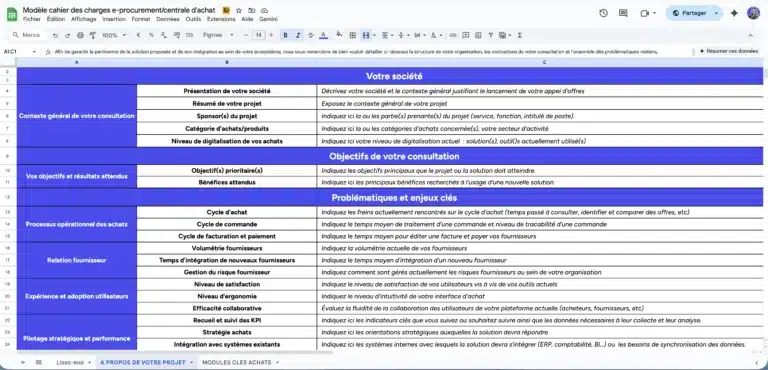
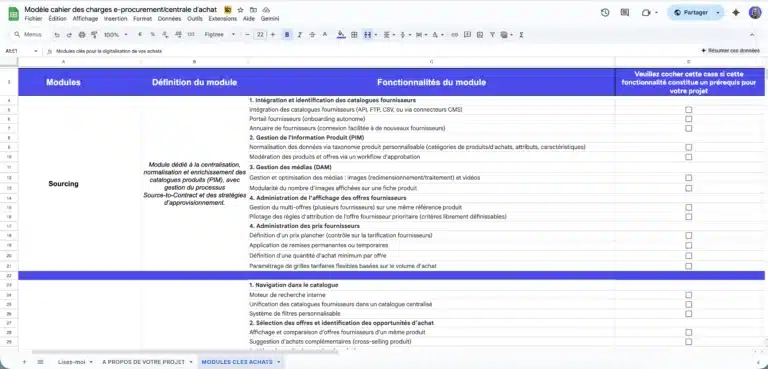
Ensure nothing is overlooked in your project specifications

A ready-to-use template to quickly frame your e-procurement or purchasing group project, compare market solutions, and secure your vendor consultation process.

Comprehensive model used in B2B purchasing projects and ready to adapt.

4. Origami Marketplace: for which projects?

Origami Marketplace is a SaaS vendor based in Lille, launched in 2018. More than 97 companies have launched their platform with Origami. Its published references include many operators that bring a network together:

  • Purchasing groups and buying cooperatives: multi-supplier catalogue, negotiated prices applied per member, self-service supplier portal. Orpi connected 52 suppliers for its 1,350 agencies.
  • Federations: the French Football Federation (FFF) equips its 12,000 clubs with Le Corner, and the French Tennis Federation (FFT) its clubs with Proshop FFT.
  • Distribution networks and franchises: connected store inventories, Click & Collect, Ship from Store.
  • Services and circular economy marketplaces.

Learn more: online group purchasing platform, why choose Origami.

5. Other alternatives

Djust is not the only French vendor on the market. Mirakl, founded in 2012, and Wizaplace are others. We compare Mirakl with its alternatives in two guides: Mirakl alternatives for B2B and Mirakl alternatives for B2C. For Wizaplace, see our Wizaplace alternatives.

For an overview of vendors, see our comparison of SaaS solutions to build a marketplace.

6. How to choose

  • Who sells? You sell your catalogue to your customers, or you connect your members with suppliers.
  • Which rules? Prices and catalogues per customer or group, approval workflows, commissions.
  • Which integrations? ERP, member directory (SSO), supplier tools.
  • What timeline? Compare the stated launch times, set-up included.
  • Which references? Ask for customer cases close to your model, and call them.

In any case, talk to several vendors: it is the best way to compare real offers rather than sales pages, ours included.

This comparison is based on each vendor’s public information on the date indicated. It may change: check it with each vendor. If any information about Djust is inaccurate, let us know and we will correct it.

7. Frequently asked questions

What is Djust?

A French B2B commerce platform founded in 2020, offering modules for sales, order management, payment and B2B marketplace (source: djust.io, consulted on 31/10/2026).

Do you want to build an agile and future-proof B2B platform?

Let’s discuss it. our expertise extends beyond the tool as we help you structure your project with the right methodology to guarantee its success.

Deux membres de l'équipe Origami Marketplace échangent devant un écran