Mirakl alternatives for B2B marketplaces: best competitors in 2026
- Arnaud
- 6 minutes to read
As B2B ecommerce continues to evolve, companies face increasing pressure to modernize their digital commerce models. Professional buyers now expect the same fluid purchasing experience as in B2C, while still requiring advanced capabilities such as negotiated pricing, complex catalogs, multi-organization accounts, approval workflows, and ERP-driven operations.
Building a B2B marketplace has become a strategic priority for manufacturers, distributors, and enterprise service providers. When evaluating marketplace software, Mirakl is almost always one of the first platforms considered. However, Mirakl is not always the most suitable solution for B2B-driven business models. Its core architecture, pricing structure, and go-to-market approach remain strongly shaped by a retail-first logic, which creates friction in complex B2B environments. As a result, decision-makers increasingly search for Mirakl alternatives that offer greater flexibility, faster deployment, and better alignment with enterprise workflows.
This guide focuses specifically on B2B and hybrid marketplaces by comparing Mirakl with leading alternatives based on real operational requirements like ERP integration depth, pricing model configurability, seller governance, and total cost of ownership.
1. What is Mirakl? a quick overview
Mirakl is a SaaS marketplace platform founded in France in 2012. It enables enterprises to add third-party sellers and dropshipping capabilities to existing ecommerce infrastructures. The platform serves over 450 enterprise clients globally, including brands like Carrefour, Leroy Merlin, Airbus Helicopters, and Sonepar, and has established itself as the reference solution for large-scale operations.
Mirakl’s core strengths include seller onboarding automation, centralized catalog aggregation, commission and payout management, AI-powered product matching, and the Mirakl Connect network. Its retail media module also enables sponsored product monetization for marketplace operators. While these features are powerful for standardized environments, B2B organizations often report challenges when it comes to customizing pricing models, adapting workflows to complex relationships, and integrating deeply with procurement systems.
2. Mirakl pricing and total cost of ownership
Mirakl does not publish public pricing. Based on industry benchmarks and enterprise implementations, licensing and setup costs frequently exceed $250,000 in the first year, followed by recurring subscription and transaction-based fees tied to GMV growth.
For large enterprises with existing ecommerce infrastructure and significant transaction volumes, this cost model can be justified. However, for mid-sized B2B organizations, specialized vertical marketplaces, or companies exploring marketplace models for the first time, the total cost of ownership is frequently cited as a key reason to evaluate competitors.
Beyond licensing, implementation timelines for Mirakl projects involving technical integration and catalog configuration typically range from 6 to 18 months, which makes it a poor fit for organizations that need to validate their marketplace model quickly.
3. Why B2B companies look for Mirakl alternatives
Several recurring challenges explain why B2B organizations evaluate alternatives to Mirakl:
- Complex pricing and catalog requirements: B2B marketplaces often involve customer-specific pricing, volume tiers, and contractual conditions. While Mirakl supports some of these, they frequently require additional configuration layers or external middleware.
- Deep ERP and procurement integration: B2B buyers operate within purchasing workflows governed by ERP systems, PunchOut catalogs, and e-procurement platforms. Native support for these integrations varies across platforms and can significantly impact the implementation scope.
- Inflexible workflow logic: B2B seller-buyer relationships are often governed by contractual rules and multi-org account structures that don’t map neatly onto retail logic, often requiring custom development in Mirakl.
- Time-to-market pressure: Mirakl implementations are typically long and tied to large enterprise transformation programs. Companies seeking to launch a proof of concept within 3 to 6 months often find this approach too slow.
- Business model misalignment: Service marketplaces, circular economy platforms, or subscription-based models may not fit Mirakl’s structural framework without significant adaptation.
Ensure nothing is overlooked in your project specifications
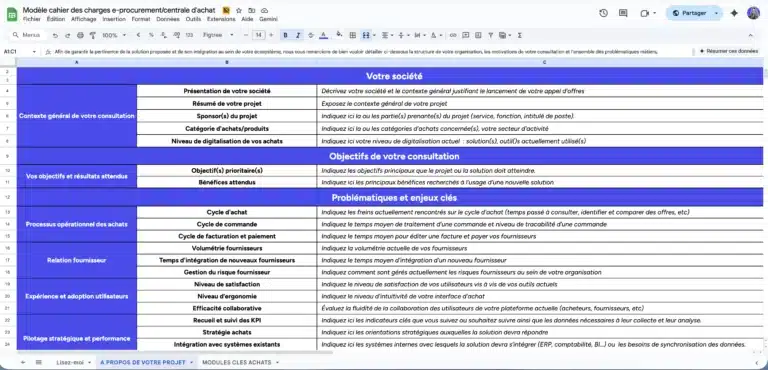
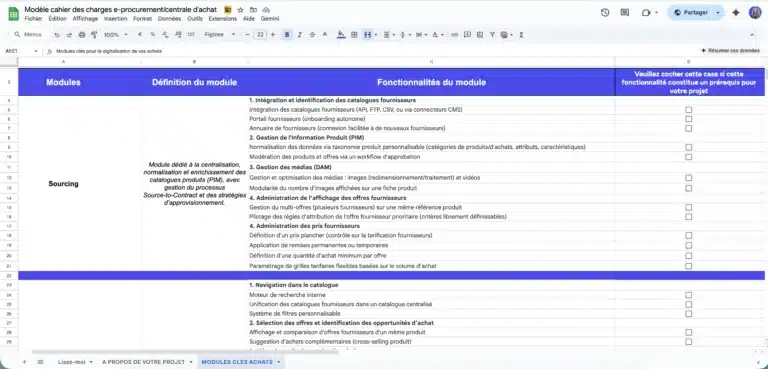
A ready-to-use template to quickly frame your e-procurement or purchasing group project, compare market solutions, and secure your vendor consultation process.
Comprehensive model used in B2B purchasing projects and ready to adapt.
4. Top Mirakl alternatives for B2B marketplaces in 2026
| Platform | Core focus | B2B pricing logic | ERP integration | Entry cost |
|---|---|---|---|---|
| Mirakl | Enterprise retail marketplaces | Moderate | Strong | ~$250K+/year |
| Origami Marketplace | B2B & hybrid marketplaces | Advanced | Strong | ~$36K+/year |
| Virto Commerce | B2B composable commerce | Advanced | Very Strong | Project-based |
| OroCommerce | B2B ecommerce & marketplace | Advanced | Strong | Subscription + dev |
| VTEX | Retail & B2B unified commerce | Moderate | Strong | Subscription + fees |
| Marketplacer | Retail & B2B marketplace SaaS | Moderate | Moderate | Subscription-based |
Origami Marketplace
Origami Marketplace has positioned itself as a strong alternative to Mirakl for organizations building complex B2B or hybrid marketplaces. Unlike retail-centric platforms, Origami is designed to adapt to multiple marketplace typologies including B2B2C, service marketplaces, and circular economy models. The platform’s architecture emphasizes configurability across vendor governance and buyer workflows, making it particularly relevant for sectors like manufacturing and distribution where generic templates are rarely sufficient. Entry pricing starts around $36,000 per year, and deployment timelines are generally faster, making it viable for moving from concept to live within months.
Virto Commerce
Virto Commerce is a composable commerce platform designed specifically for complex B2B environments where ERP, CRM, and PIM systems drive the core business logic. The platform supports advanced B2B capabilities including contract pricing, multi-tiered approval workflows, and bulk ordering. Its API-first, headless architecture makes it well suited for enterprises with strong technical teams.
OroCommerce
OroCommerce is a purpose-built B2B ecommerce platform that also supports marketplace use cases. It offers advanced features for managing complex relationships, including customer-specific pricing and RFQ workflows. It is a strong fit for manufacturers and distributors operating in environments with highly customized procurement processes.
VTEX
VTEX integrates marketplace capabilities within a broader unified commerce platform. It is well suited for large retailers expanding into B2B or hybrid models and offers solid integration with logistics and payment ecosystems.
Marketplacer
Marketplacer is a SaaS marketplace platform positioned for both retail and B2B use cases. Its strength lies in fast seller onboarding and ease of use for non-technical teams.
5. How to choose the right Mirakl alternative for B2B
Selecting the right B2B marketplace platform is about finding the solution that aligns most closely with your business model, your existing technical infrastructure, and your operational timeline. Key decision factors include:
- The ability to configure complex pricing and catalog structures.
- Integration depth with ERP and procurement systems.
- Flexibility of workflows and seller governance rules.
- Realistic deployment timelines and long-term total cost of ownership.
Mirakl remains a strong choice for very large, standardized enterprise marketplaces. However, for organizations that require deep B2B logic, faster deployment, or more predictable costs, alternatives such as Origami Marketplace, Virto Commerce, or OroCommerce frequently deliver better outcomes.
6. Frequently Asked Questions
Mirakl supports B2B use cases, but its core architecture is retail-first. Advanced requirements like contract pricing or multi-org accounts often require additional configuration.
Leading alternatives include Origami Marketplace, Virto Commerce, OroCommerce, VTEX, and Marketplacer.
Enterprise licensing and implementation typically exceed $250,000 in the first year. Mid-sized organizations often explore alternatives with more accessible entry points.
Mirakl implementations typically range from 6 to 18 months, while platforms such as Origami Marketplace offer faster cycles, often achieving go-live in 3 to 6 months.
Yes, platforms such as Origami Marketplace are specifically designed to support hybrid B2B2C architectures.
7. Disclaimer and recommendations
Disclaimer: this comparison is based on third-party research, industry benchmarks, and market estimates. Features and pricing are provided for informational purposes only and do not constitute a formal offer or guarantee of performance.
In any case, when managing a project as critical as a marketplace launch, it is highly recommended to contact all the providers mentioned to foster healthy competition. While this process requires an investment of time, it is the only way to identify which partner is truly motivated to support your project over the long term and to avoid making a wrong choice for your business.
Conclusion
Mirakl is a proven platform, but it is not the only option for every B2B marketplace project. Organizations seeking flexibility, faster time-to-market, and better alignment with complex B2B workflows have a growing range of alternatives to consider.
When evaluating competitors, the right platform is the one that matches your business model and long-term roadmap. If you would like to explore how Origami Marketplace compares to Mirakl for your specific use case, our team is available for a discovery conversation.
Do you want to build an agile and future-proof B2B platform?
Let’s discuss it. our expertise extends beyond the tool as we help you structure your project with the right methodology to guarantee its success.